Energy Efficiency

CAFM-Blog.de | What are the challenges of maintaining buildings and facilities?

What are the challenges of maintaining buildings and facilities?

The maintenance of buildings and facilities is an essential part of facility management. It includes all technical, administrative, and organizational measures to maintain or restore the functional condition of real estate and technical equipment. Key tasks include preventive maintenance, inspection, repair, and improvement. The importance of maintenance extends to various sectors such as industry, commerce, and public institutions. It significantly contributes to value preservation, operational safety, and energy efficiency. Modern maintenance concepts consider […].

What are the challenges of maintaining buildings and facilities? Read more »

CAFM-Blog.de | The Costs of Not Using CAFM

Facility Management Tools: Efficient Management and Optimization

Facility management tools play a central role in modern business management. They enable efficient management and optimization of operational processes as well as improved resource utilization. These software solutions support facility managers in the comprehensive control of all aspects of building management, including maintenance, upkeep, space planning, and utilization. The use of facility management tools demonstrably leads to cost savings, productivity increases, and enhanced customer satisfaction. By integrating data collection and analysis functions, these tools enable informed decision-making processes

Facility Management Tools: Efficient Management and Optimization Read more »

CAFM-Blog.de | Introduction to CAFM Solutions: What Is It?

Introduction to CAFM Solutions: What Are They?

Computer Aided Facility Management (CAFM) is a computer-aided system for managing and optimizing buildings and facilities. It integrates various aspects of facility management into a central software solution. CAFM systems enable efficient planning, control, and monitoring of resources, processes, and services in real estate and technical facilities. Key functions of CAFM systems include: Space management Maintenance management Energy management Contract management Cleaning management Relocation management Document management CAFM software is based on a central database that contains all relevant information about

Introduction to CAFM Solutions: What Are They? Read more »

CAFM-Blog.de | What are the benefits of CAFM regarding efficiency and overall equipment effectiveness?

What are the benefits of CAFM regarding efficiency and overall equipment effectiveness?

Computer Aided Facility Management (CAFM) is a concept for supporting facility management through the use of information technology. CAFM systems integrate various functions such as space management, maintenance, energy management, and resource planning into a central software solution. The goal is to optimize the management and operation of buildings and technical facilities. CAFM systems enable a holistic view of facility management processes. They offer functions for capturing, managing, and evaluating building and facility-related data. This allows for

What are the benefits of CAFM regarding efficiency and overall equipment effectiveness? Read more »

CAFM-Blog.de | BIM2FM: Information Exchange Along the Building Lifecycle

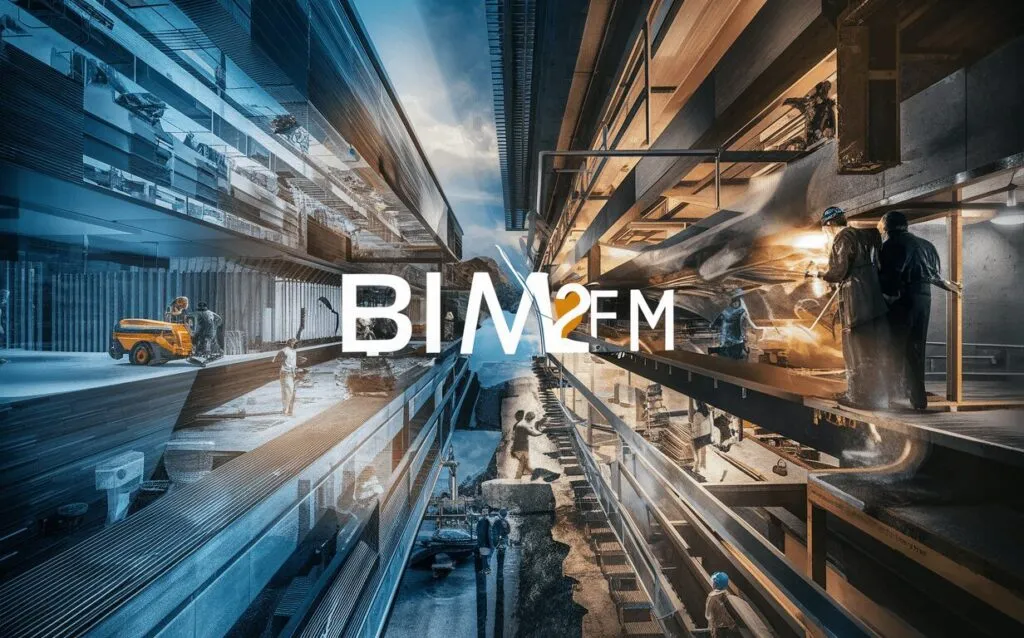
BIM2FM: Information Exchange Along the Building Lifecycle

Building Information Modeling to Facility Management (BIM2FM) is an advanced process for integrating building data throughout the entire lifecycle of a structure. This method optimizes the planning, construction, operation, and maintenance of buildings. BIM2FM enables the capture and management of all relevant building information in a digital model, leading to more efficient and cost-effective building management. The BIM2FM approach includes the capture and management of all building-related data and information. This includes geometric

BIM2FM: Information Exchange Along the Building Lifecycle Read more »

CAFM-Blog.de | The most important tasks of a property manager

The Most Important Tasks of a Property Manager

Real estate leasing is a central component of professional property management. An efficient leasing strategy ensures continuous cash flow and minimizes vacancy periods. Core tasks include creating market-oriented exposé documents, targeted marketing across various media channels, and organizing and conducting viewing appointments. Careful credit checks of potential tenants and the drafting of legally sound rental agreements are further essential steps in the leasing process. Rental price determination is based on sound market analysis, considering factors such as

The Most Important Tasks of a Property Manager Read more »

CAFM-Blog.de | Sustainable Urban Development: The Future of Cities

Sustainable Urban Development: The Future of Cities

Sustainable urban development is a comprehensive concept for the planning and design of cities that considers ecological, social, and economic aspects. The goal is to meet the needs of the present generation without compromising the ability of future generations to meet their own needs. The main goals of sustainable urban development include: Creating environmentally friendly and energy-efficient cities Promoting social justice and inclusion Generating sustainable jobs and economic growth Conserving natural resources and biodiversity This approach aims to improve the quality of life

Sustainable Urban Development: The Future of Cities Read more »

CAFM-Blog.de | Real Estate Profit Center Accounting and Efficiency in FM

Property Profit Center Accounting and Economic Efficiency in FM

Property profit center accounting is a central tool in facility management for evaluating the economic efficiency of properties. It allows for a transparent presentation of a property's costs and revenues, facilitating informed decisions. Various cost types are considered in the calculation, including maintenance, operating, administrative, and financing costs. These are offset against revenues from rental income, ancillary cost settlements, and other sources. As a controlling instrument, property profit center accounting serves to analyze and optimize the profitability of properties. In an environment of increasing

Property Profit Center Accounting and Economic Efficiency in FM Read more »

CAFM-Blog.de | CPIP: What's the deal with intelligent buildings?

CPIP: What's the deal with intelligent buildings?

Intelligent buildings, also known as Smart Buildings, are modern structures that integrate advanced technologies to achieve energy efficiency, security, comfort, and operating cost optimization. These buildings use a network of sensors, actuators, and control systems for data collection, analysis, and response. The main goal is to create an efficient and sustainable building environment that optimally meets user requirements. The functionalities of intelligent buildings include, among others: Automatic adjustment of lighting and room climate Monitoring and

CPIP: What's the deal with intelligent buildings? Read more »

CAFM-Blog.de | Certification Systems for Sustainable Buildings: An Overview

Sustainable Building Certification Systems: An Overview

Sustainable building certification systems are tools designed to assess and evaluate the sustainability of buildings. They serve as a guide for builders, architects, and developers to ensure their buildings are environmentally friendly, energy-efficient, and healthy for occupants. These systems are based on a set of criteria that assess the ecological, social, and economic impacts of a building throughout its entire lifecycle. The certification systems are developed by independent organizations

Sustainable Building Certification Systems: An Overview Read more »

CAFM-Blog.de | Property Management: Tips and Tricks

Energy Saving: Tips and Tricks for Effective Reduction

Energy saving is of great importance as it helps to protect the environment and combat climate change. By reducing energy consumption, we can decrease the emission of greenhouse gases responsible for global warming. Furthermore, energy saving helps to conserve natural resources and reduce dependence on fossil fuels. This is particularly important as supplies of oil, gas, and coal are limited and their

Energy Saving: Tips and Tricks for Effective Reduction Read more »

CAFM-Blog.de | Facility Management vs. Building Management: Typical Features Compared

Facility Management vs. Building Management: Typical Features in Comparison

Facility management is a holistic management approach aimed at optimizing the efficiency and productivity of buildings and facilities. This includes the management and maintenance of buildings, infrastructure, facilities, and services to ensure they meet user needs. The areas of responsibility in facility management include planning, construction, maintenance, cleaning, security, energy supply, environmental management, and property management. The goal is to reduce operating costs

Facility Management vs. Building Management: Typical Features in Comparison Read more »

CAFM-Blog.de | Facility Management 4.0: Digital Transformation in Building Management

Sustainable Construction with Ecological Building Materials

Sustainable construction with ecological building materials is an increasingly important topic in the construction industry. Ecological building materials are materials made from renewable resources that have a low environmental impact. Unlike conventional building materials, which are often made from non-renewable resources such as concrete and steel, ecological building materials offer a more environmentally friendly alternative. By using ecological building materials, the ecological footprint of construction projects can be significantly reduced. This is particularly

Sustainable Construction with Ecological Building Materials Read more »

CAFM-Blog.de | AIA: Requirements for Client Information Management

CIM: Requirements for Client Information Management

Client Information Management (CIM) is an important component of construction project management that enables efficient management and provision of information for builders and clients. CIM includes the organization, structuring, and management of information throughout the entire lifecycle of a construction project. All relevant data and documents, such as plans, contracts, permits, and reports, are centrally recorded and managed. The goal of CIM is to improve transparency, traceability, and efficiency in construction projects in order to

CIM: Requirements for Client Information Management Read more »

CAFM-Blog.de | The Future of Building Automation: Efficiency and Comfort through BA

The future of building automation: Efficiency and comfort through BA

Building automation plays an increasingly important role in the future, as it helps to increase the efficiency and comfort of buildings. By integrating technologies such as sensors, actuators, and control systems, buildings can be intelligently controlled and monitored. This makes it possible to save energy, reduce operating costs, and provide occupants with a pleasant and safe environment. In an increasingly connected world, building automation will also contribute to

The future of building automation: Efficiency and comfort through BA Read more »

Scroll to Top