Technology

CAFM-Blog.de | Benefits of Cloud Technology: Efficiency and Flexibility

Benefits of cloud technology: Efficiency and flexibility

Cloud technology has rapidly evolved in recent years and has become an essential element in the corporate landscape. Cloud computing enables organizations to store and use their data and applications over the internet, rather than relying on local servers or individual devices. This technology offers numerous advantages, including cost efficiency, flexibility, scalability, and enhanced security standards. Cloud technology has fundamentally changed the way companies operate and is expected to […] in the future.

Benefits of cloud technology: Efficiency and flexibility Read more »

CAFM-Blog.de | Efficient Urban Processes with CAFM Integration

Digital Transformation: Digitalization Strategies in German Companies

Digital transformation has become a central topic for companies in Germany in recent years. In an increasingly interconnected world where technological innovations are advancing at a rapid pace, it is essential for companies to adapt to these changes. Digital transformation encompasses not only the implementation of new technologies but also the fundamental redesign of business models, processes, and corporate culture. For German companies, which are traditionally strong in their

Digital Transformation: Digitalization Strategies in German Companies Read more »

CAFM-Blog.de | The Differences of Language Models in AI

The Differences of Language Models in AI

Language models are a central element of artificial intelligence (AI) and enable the processing and generation of natural language. They analyze and reproduce linguistic structures and patterns. Areas of application for AI language models include machine translation, text generation, speech recognition, and chatbot development. This technology empowers machines for human-like communication and the handling of complex linguistic tasks. AI language models use various techniques and algorithms for language processing. They are based on statistical or rule-based approaches and require extensive training data. Despite diverse application possibilities, there are

The Differences of Language Models in AI Read more »

CAFM-Blog.de | Challenges in BIM Implementation in Administration

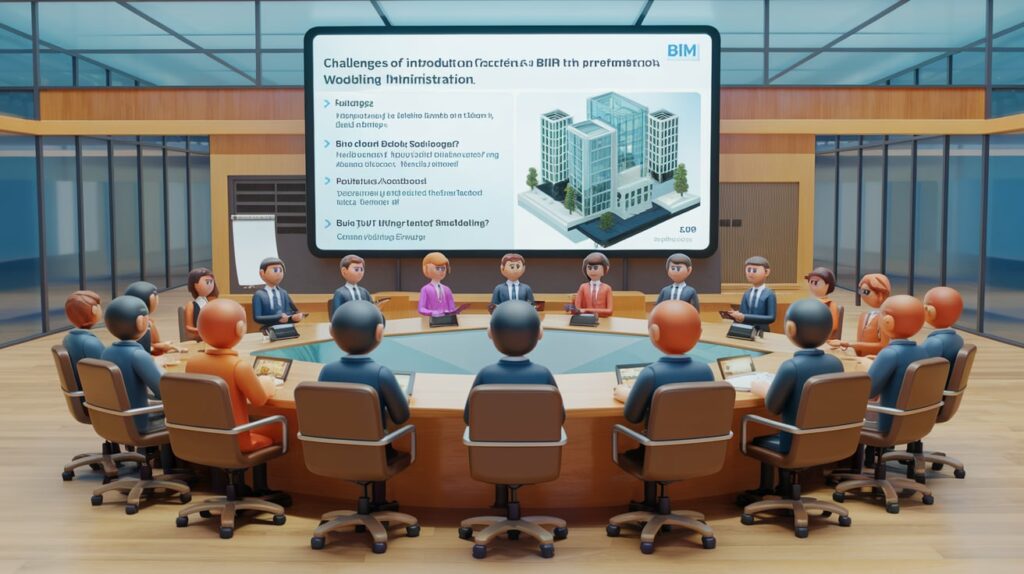
Challenges in Implementing BIM in Administration

The implementation of Building Information Modeling (BIM) in public administration presents a complex challenge that requires in-depth knowledge of the technology and its application possibilities. BIM is a digital representation of the physical and functional characteristics of a structure. This method enables comprehensive planning, control, and management of construction projects throughout their entire lifecycle. In the context of public administration, this includes the phases of planning, construction, operation, and

Challenges in Implementing BIM in Administration Read more »

CAFM-Blog.de | The Future with Edge Computing

The Future with Edge Computing

Edge computing is a concept in information technology that moves data processing and analysis closer to the location where data is generated. Instead of sending data to remote data centers, processing occurs directly at the edge of the network, close to end devices or sensors. This enables faster data processing and reduces the volume of data that needs to be transmitted. This technology is particularly important in areas that require real-time processing and low latency, such as Industry 4.0, the Internet of Things

The Future with Edge Computing Read more »

CAFM-Blog.de | Hyper-Automation for FM Service Providers

Hyper-automation for FM service providers

Hyperautomation is a significant concept in Facility Management (FM) that has gained increasing relevance in recent years. This concept aims to optimize processes, reduce costs, and increase efficiency. By using hyperautomation, FM service providers can automate recurring tasks and utilize their resources more effectively. The implementation of hyperautomation enables FM companies to react faster to changing requirements and improve service quality for customers

Hyper-automation for FM service providers Read more »

CAFM-Blog.de | The Advantages of Cloud Computing

The benefits of cloud computing

Cloud computing is a technology concept that enables the provision of IT resources over the internet. Users can access computing power, storage capacity, and applications without having to maintain them locally. Key benefits include cost efficiency, scalability, location-independent access, automatic updates, and improved collaboration capabilities. There are three primary service models: Infrastructure as a Service (IaaS): Provision of virtualized computer resources over the internet. Platform as a Service (PaaS): Development environments for creating and deploying

The benefits of cloud computing Read more »

CAFM-Blog.de | Performance & Flexibility: CAFM Hosting for Successful Facility Management

Performance & Flexibility: CAFM Hosting for Successful Facility Management

CAFM hosting, also known as Computer Aided Facility Management hosting, is a central component in modern facility management. It allows companies to operate their facility management software in a cloud environment. This offers several advantages: 1. Increased efficiency and optimized resource utilization 2. Improved performance and scalability 3. Access to a variety of specialized functions and services 4. Reduction of operating costs 5. Automatic updates and security updates CAFM hosting helps to streamline facility management processes

Performance & Flexibility: CAFM Hosting for Successful Facility Management Read more »

CAFM-Blog.de | Efficient Property Management with CAFM Software

Future Developments in CAFM

Computer Aided Facility Management (CAFM) refers to the use of information technology for the efficient management of real estate and facilities. CAFM systems integrate various functions such as space planning, maintenance management, energy management, environmental and sustainability management, as well as the integration of IoT devices and artificial intelligence. These systems process and analyze large amounts of data to enable informed decisions and increase the efficiency of real estate and facilities. In recent years, the implementation of CAFM systems has increased significantly, as companies

Future Developments in CAFM Read more »

CAFM-Blog.de | Reduce Costs: Effective Facility Management

Reducing Costs: Effective Facility Management

Facility Management is a key factor for cost optimization in companies. It enables a significant reduction in operating costs, leading to increased profitability and competitiveness. Strategically planned and implemented facility management maximizes the efficiency of buildings and plants, optimizes resource utilization, and extends the lifespan of the infrastructure. Furthermore, it contributes to risk minimization and ensures workplace safety. The effective implementation of facility management requires a holistic approach,

Reducing Costs: Effective Facility Management Read more »

CAFM-Blog.de | Introduction to CAFM Solutions: What Is It?

Introduction to CAFM Solutions: What Are They?

Computer Aided Facility Management (CAFM) is a computer-aided system for managing and optimizing buildings and facilities. It integrates various aspects of facility management into a central software solution. CAFM systems enable efficient planning, control, and monitoring of resources, processes, and services in real estate and technical facilities. Key functions of CAFM systems include: Space management Maintenance management Energy management Contract management Cleaning management Relocation management Document management CAFM software is based on a central database that contains all relevant information about

Introduction to CAFM Solutions: What Are They? Read more »

CAFM-Blog.de | Transparency in Facility Management: Efficiency and Trust

Transparency in Facility Management: Efficiency and Trust

Transparency in facility management is a key aspect for the efficiency and success of business processes. It ensures that all relevant information and data are accessible and understandable to all stakeholders. This enables informed decision-making and effective task completion by employees. Transparent processes foster trust from customers and stakeholders, as they gain insight into the operations and performance of facility management. In times of increasing importance of sustainability and

Transparency in Facility Management: Efficiency and Trust Read more »

CAFM-Blog.de | Organizational Fault 2025 in FM: How to Avoid It?

Organizational Negligence 2025 in FM: How to Avoid It?

In the complex world of facility management, organizational negligence (or preceding organizational failure, or even 'just' organizational carelessness) can have far-reaching consequences that go beyond immediate physical damage. From potential property damage and personal injury to long-term damage to a company's reputation, the risks are high. This article examines what organizational negligence (because that is at least the accusation in question...) means, what types of damage can occur, and effective

Organizational Negligence 2025 in FM: How to Avoid It? Read more »

CAFM-Blog.de | BIM2FM: Information Exchange Along the Building Lifecycle

BIM2FM: Information Exchange Along the Building Lifecycle

Building Information Modeling to Facility Management (BIM2FM) is an advanced process for integrating building data throughout the entire lifecycle of a structure. This method optimizes the planning, construction, operation, and maintenance of buildings. BIM2FM enables the capture and management of all relevant building information in a digital model, leading to more efficient and cost-effective building management. The BIM2FM approach includes the capture and management of all building-related data and information. This includes geometric

BIM2FM: Information Exchange Along the Building Lifecycle Read more »

CAFM-Blog.de | Facility Management 4.0: Digital Transformation in Building Management

Digital Notification Management in Damage Processing

Digital notification management is a central element of modern claims processing in various industries. It encompasses the systematic recording, processing, and dissemination of information on damage events and incidents using digital technologies and systems. In the past, the documentation and processing of such data were predominantly done in paper form, which often led to delays and inaccuracies. The implementation of digital notification management systems enables companies to significantly increase efficiency and optimize their claims processing, for example in

Digital Notification Management in Damage Processing Read more »

Scroll to Top