providers

CAFM-Blog.de | Top 10 CAFM Software Solutions for Small and Medium-Sized Businesses

Top 10 CAFM Software Solutions for Small and Medium-Sized Enterprises

In today's dynamic business world, small and medium-sized enterprises (SMEs) face a variety of challenges in facility management. Efficient property management, optimization of maintenance processes, and ensuring energy efficiency are just a few of the aspects that are in focus. One solution that is gaining particular importance in this context is CAFM software (Computer-Aided Facility Management). According to a study by ResearchAndMarkets, the market for CAFM software will […] by 2027.

Top 10 CAFM Software Solutions for Small and Medium-Sized Enterprises Read more »

CAFM-Blog.de | The dark side of CAFM and SAP: What nobody tells you

The Dark Side of CAFM and SAP: What No One Tells You

In the world of facility management, CAFM and SAP are two dominant terms often mentioned in the same breath. However, while many praise the benefits of these systems, there are also less highlighted aspects (perhaps even showstoppers for you) that companies should be aware of before deciding on a solution. A comparison of "CAFM vs SAP" reveals not only differences in functionality but also challenges in implementation and

The Dark Side of CAFM and SAP: What No One Tells You Read more »

CAFM-Blog.de | What is Facility Service Management?

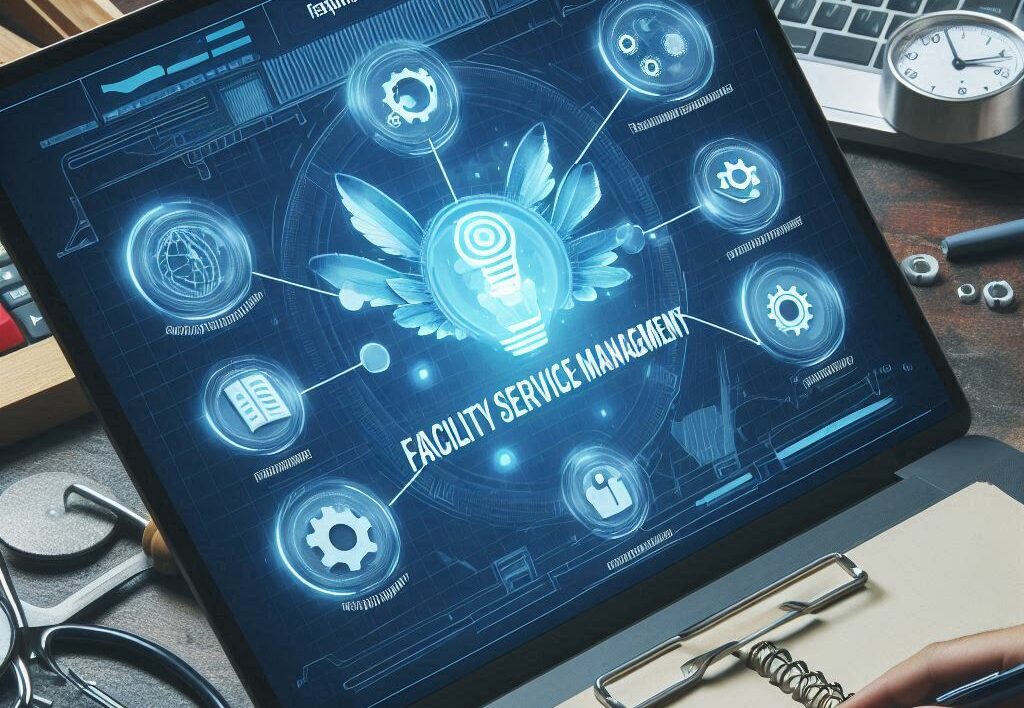
What is Facility Service Management?

Facility Service Management is a comprehensive concept that deals with the management and optimization of buildings and their services. It encompasses a variety of tasks aimed at ensuring the functionality, safety, and efficiency of facilities. The integration of various services plays a central role in guaranteeing smooth operation. You can think of Facility Service Management as the backbone of a company, ensuring that

What is Facility Service Management? Read more »

CAFM-Blog.de | Cloud Computing: The future of data processing

Innovations in Cloud Technology: The Future of IT

Cloud technology has become an indispensable part of the IT industry in recent years. It enables companies to store and manage their data and applications over the internet, rather than relying on local servers or hardware. This flexibility has not only revolutionized the way companies design their IT infrastructure but has also significantly increased the efficiency and agility of business processes. By using cloud services,

Innovations in Cloud Technology: The Future of IT Read more »

CAFM-Blog.de | Increasing Efficiency in Facility Management

Efficient Cloud Management and Cost Optimization

Efficient cloud management is crucial in today's digital landscape. Companies that rely on cloud services not only benefit from the flexibility and scalability that these technologies offer but must also ensure that they are utilizing their resources optimally. Well-structured cloud management enables organizations to control their IT costs, maximize the performance of their applications, and simultaneously minimize security risks. In a time when data is growing exponentially and

Efficient Cloud Management and Cost Optimization Read more »

CAFM-Blog.de | Facility Management Trends: The Future of Building Management

Facility Management Trends: The Future of Building Management

Digital transformation has brought about profound changes in building management in recent years. Through the use of modern technologies such as cloud computing, big data, and artificial intelligence, facility managers can now work more efficiently and significantly reduce operating costs. These technologies enable comprehensive analysis of building data, allowing managers to make informed decisions. For example, by analyzing energy consumption data, patterns can be identified that indicate inefficient systems. Such

Facility Management Trends: The Future of Building Management Read more »

CAFM-Blog.de | Facility Management Services in Companies

Facility management services in companies

Facility management services play a crucial role in the efficiency and productivity of companies. They encompass a variety of tasks aimed at optimizing operational processes and improving the work environment for employees. In a time when companies are increasingly reliant on flexibility and adaptability, the importance of these services is becoming ever clearer. Well-organized facility management not only ensures the maintenance of buildings and facilities, but also

Facility management services in companies Read more »

CAFM-Blog.de | Efficient Contract Management according to §2b UStG

Cloud Infrastructure and Scalability: The Benefits of Cloud Technology

Cloud infrastructure refers to the entirety of hardware and software resources provided over the internet to enable IT services. This infrastructure includes servers, storage, networks, and virtualization technologies housed in data centers. Instead of operating physical servers on-site, companies can access these resources to host their applications and data. Cloud infrastructure is typically managed by third-party providers who provide the necessary technology and expertise to ensure reliable

Cloud Infrastructure and Scalability: The Benefits of Cloud Technology Read more »

CAFM-Blog.de | How do I implement CAFM software in my company?

How do I introduce CAFM software in my company?

Introducing CAFM software in your company can mean a crucial improvement for your facility management. Adequate planning, choosing the right software, and involving the relevant stakeholders are essential for successful implementation. In this post, we will highlight the essential steps you should consider when implementing a CAFM solution. Step 1: Define Requirements Before the starting signal for the introduction of suitable CAFM software is given, it is essential to define the company-specific

How do I introduce CAFM software in my company? Read more »

CAFM-Blog.de | Challenges of Digitalization in Germany

Challenges of Digitalization in Germany

Digitalization has become a central driver for growth and competitiveness in the German economy. Companies of all sizes are increasingly integrating digital technologies to optimize processes, increase efficiency, and develop innovative business models. In a globalized economy with rapidly changing markets and customer needs, digital transformation has become indispensable. German industry, particularly in areas such as mechanical engineering and automotive production, is increasingly implementing technologies such as the Internet of

Challenges of Digitalization in Germany Read more »

CAFM-Blog.de | Cloud Computing: The future of data processing

Cloud integration into existing systems: Efficient connection of cloud services

Cloud integration refers to the process of connecting various cloud-based applications, services, and platforms to enable efficient and seamless use of data and resources. This process includes both connecting local systems with cloud services and integrating different cloud services with each other. Through cloud integration, companies can optimize their IT infrastructure, improve scalability, and increase their flexibility. It enables access to a variety of resources and functions from different providers without

Cloud integration into existing systems: Efficient connection of cloud services Read more »

CAFM-Blog.de | What is a Multi-Cloud Strategy?

What is a multi-cloud strategy?

Flexibility and scalability are key characteristics of cloud services. Flexibility allows companies to quickly adapt their resources to changing requirements. This can include increasing storage or computing capacity to handle peak demand. Scalability allows these adjustments to be made with little effort by adding or removing resources as needed. Another advantage is the rapid implementation of new technologies and applications. This promotes the agility of companies and

What is a multi-cloud strategy? Read more »

CAFM-Blog.de | The Future of Cloud Technology: Innovation and Growth

The future of cloud strategies

Cloud strategies are a central component of modern corporate IT. They enable companies to optimize their IT infrastructure, reduce costs, and react more flexibly to market demands. By using cloud services, companies can improve their agility and scalability, as well as increase their operational efficiency. Cloud technology offers access to innovative solutions such as artificial intelligence, machine learning, and big data analytics. These technologies enable companies to remain competitive and tap into new business opportunities.

The future of cloud strategies Read more »

CAFM-Blog.de | Security Audit: How to Protect Corporate IT

Security in the Cloud: Tips and Best Practices

Security in the cloud is of paramount importance for companies. With the increasing use of cloud services for corporate data and applications, it is essential to implement robust security measures. The cloud offers numerous benefits such as scalability, flexibility, and cost-effectiveness, but it also entails specific security risks. Companies must protect their data from threats such as data loss, data breaches, and unauthorized access. Compliance with legal regulations and industry standards is another critical aspect of

Security in the Cloud: Tips and Best Practices Read more »

CAFM-Blog.de | Benefits of Cloud Technology: Efficiency and Flexibility

Benefits of cloud technology: Efficiency and flexibility

Cloud technology has developed rapidly in recent years and has become an essential element in the corporate landscape. Cloud computing enables organizations to store and use their data and applications over the internet, rather than relying on local servers or individual devices. This technology offers numerous advantages, including cost efficiency, flexibility, scalability, and enhanced security standards. Cloud technology has fundamentally changed the way companies work and is expected to continue to do so in the future

Benefits of cloud technology: Efficiency and flexibility Read more »

Scroll to Top